Indra puts AI at the centre of its strategy and targets more than €12 billion in 2030 revenue
Indra presented its Forward2030 plan to investors. Its AI unit IndraMind has €400 million in orders and an annual revenue target of €1.2 billion for 2030.
By Wellinton OliveiraCEO of Lyntev
Published
Updated
3 min read
Key points
- Indra’s board approved the plan on 24 November and presented it the following day.
- The group earned €5.457 billion in revenue in 2025 and aims for more than €12 billion in 2030.
- IndraMind has €400 million in orders. The €1.2 billion target refers to annual revenue in 2030.
- Minsait aims to grow the share of strategic or AI-related services and lift its operating margin.
Spanish technology group Indra presented its Forward2030 plan on 25 November, making its artificial intelligence unit IndraMind central to the strategy and setting a target of more than €12,000 million in annual group revenue by 2030. The board approved the plan a day earlier, according to a filing with Spain’s securities regulator. The presentation gave investors a baseline and set out what management hopes to change over the next four years.
Indra earned €5,457 million in revenue in 2025. The company wants to more than double that figure by 2030 and reach €20,000 million in 2035. Spanish business publication Cinco Días covered the plan to use IndraMind across the group. The revenue targets are for a group that also works in air traffic, urban mobility and IT services.
Three figures behind the AI strategy
| Measure | Amount | What it represents |
|---|---|---|
| IndraMind order backlog | €400 million | Orders on the books when the company presented the plan |
| IndraMind annual revenue in 2030 | €1,200 million | Management’s target for the AI unit, split equally between civilian and defence sales |
| Group investment in products and research from 2026 to 2030 | €1,000 million | Internal resources the group plans to invest over the period |
Indra says IndraMind has developed 15 offerings and signed contracts covering eight of them. Management plans for the unit to help other parts of the group use AI and to sell products of its own. Indra is pitching sovereign AI to organisations in critical sectors. In this context, sovereignty refers to customers maintaining control over how their systems and data are managed. The financial figures say nothing about how an individual product meets that aim.
The €1,200 million is a goal for what the unit would earn in one future year. The €400 million refers to contracts that still have to be carried out and recorded as revenue. Dividing one by the other produces a ratio between two different measures and would not show how much the unit has grown. The €1,000 million investment figure also has a different scope, since different parts of the group use that budget for products and research.
What the plan changes for IT services
The plan sets a separate goal for Minsait, the group’s technology and consulting business. Offerings that management describes as strategic or related to AI made up about 40% of its business in 2025. Indra is aiming for 70% in 2030. The category takes in data work, proprietary products and consulting services as well as work with AI models. It is broader than sales of an AI platform alone.
Indra also wants Minsait to lift its operating margin from about 6.4% to 8% over the same period. The margin measures operating profit as a share of revenue. A change can come from selling a different mix of services or from altering the cost of delivery. The 8% goal gives investors a way to judge whether the change in priorities improves profitability.
The group plans to keep its workforce near 56,000
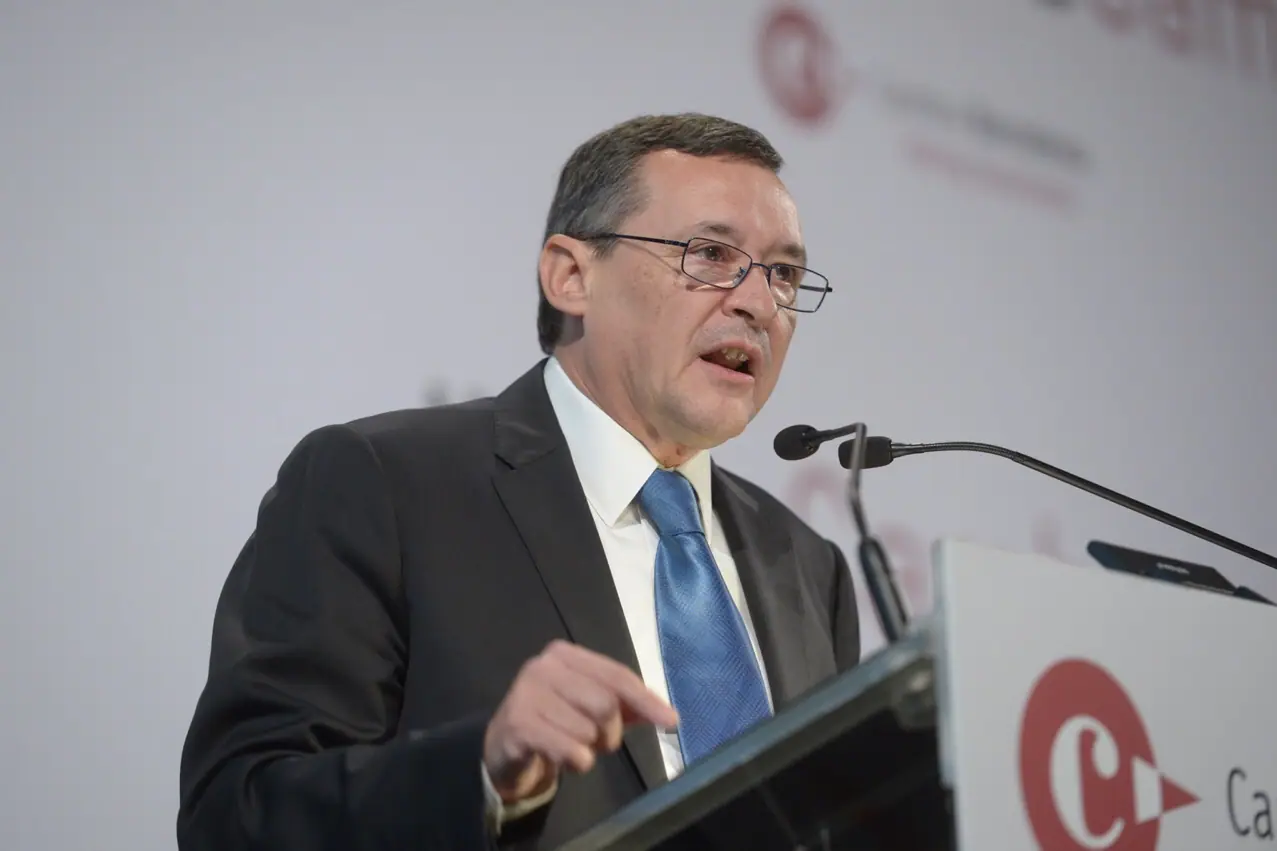
The plan presented by Indra chairman Ángel Simón and chief executive Josep Maria Recasens provides for a broadly stable group workforce of around 56,000 people. The company announces €240 million for reskilling and further training. This is a group-wide direction, rather than a forecast for every individual job or team.
By 2030, management aims for annual revenue above €215,000 per full-time-equivalent worker. Its 2026 baseline is approximately €120,000. It attributes the target to training, a higher-value business mix, industrial scale and AI efficiencies. Revenue per worker is not pay, and the forecast does not show that productivity has already improved. The statement does not announce a number of job cuts.
IndraMind still has to report the revenue it earns
Indra expects to recognise about 70% of its group order backlog of more than €22,000 million as revenue by 2030. The amount depends on delivery schedules and when the group can record revenue. The order book spans businesses with multi-year contracts, including commercial air traffic systems and equipment for urban transport networks. Recognising a contract as revenue follows the timetable for supplying the customer.
Management also wants group operating profit above €1,500 million in 2030 and a margin higher than 12.5%. Future accounts will show how much of the order book has turned into revenue and whether the mix of work at Minsait is changing. Revenue actually reported for IndraMind will provide the comparison with the €1,200 million goal.
Corrections
. Added Indra’s plans for its group workforce, training and revenue per worker, distinguishing group targets from individual guarantees and achieved results. Replaced the generic headquarters image with an archive photograph of Ángel Simón, a central participant in the plan, with its date and context identified.
Sources
Documents and reporting consulted for this story.
- Forward2030 strategic plan — inside informationComisión Nacional del Mercado de Valores, . Primary source. accessed 27 November 2026
- Forward2030 — Indra Group new strategic planIndra Group, . Primary source. accessed 25 November 2026
- Nuevo plan estratégico Forward2030Indra Group, . Primary source. accessed 27 November 2026
- Indra lanza su gran plan: 20.000 millones de ingresos en 2035 y la IA como motor de crecimiento de todas las divisionesCinco Días, . accessed 25 November 2026
- Ángel Simón — presidente da Indra, biografia oficialIndra Group. Primary source. accessed 27 November 2026
Topics

Written by
Wellinton OliveiraCEO of Lyntev
Technology with context, original analysis and sources you can consult.


