NASA prepares crop and brain tissue experiments for NG-25
Ohalo III will test plant watering and growing volume. AVATAR-Org4 will validate nutrient-liquid handling for models of human brain tissue.
By Wellinton OliveiraCEO of Lyntev
Published
4 min read
Key points
- On 27 November, NASA announced two biological experiments for the NG-25 resupply mission.
- Ohalo III aims to validate water delivery and the use of growing volume for crops in microgravity.
- AVATAR-Org4 assesses an automated fluid system for maintaining models of human brain tissue.
- The project descriptions set out experiment objectives, without mission results or demonstrated clinical benefits.
NASA announced on 27 November that the NG-25 resupply mission will carry two experiments on sustaining living systems to the International Space Station. One tests a chamber for growing food crops. The other assesses equipment that prepares and delivers the liquid needed to maintain models of human brain tissue.
The agency's announcement assigns both investigations to Northrop Grumman's 25th commercial resupply mission for NASA. It describes planned experiments rather than reporting results. The published information does not establish that the equipment has already achieved its objectives in orbit.
Ohalo III tests plant watering and growing space
The agricultural investigation is called Ohalo III. A NASA project description, published on 18 November, identifies Matthew Mickens of Kennedy Space Center as its project scientist. The system aims to validate water delivery to plants and the use of available growing volume in microgravity.
NASA describes it as a technology demonstration for an operational space crop production system. That wording describes the equipment's intended purpose. It does not establish that a farm capable of feeding a crew throughout a long mission is already operating.
An earlier analysis by this publication distinguished ground trials with cucumbers from Ohalo III's future objectives. The new announcement identifies the mission carrying the equipment, without confirming that the cultivars studied on Earth will fly.
Its objectives include crop productivity, nutritional value, safety and reliability. NASA also lists food acceptability and day-to-day operation. These are questions the demonstration aims to address; the project description gives no production figures or success rates for the forthcoming experiment.
The problem identified by the agency starts with crew meals. Shelf-stable food becomes harder to manage when missions have limited space and fewer opportunities for resupply. According to NASA, growing crops could add variety and sensory experiences that help reduce fatigue with the available menu.
AVATAR-Org4 assesses how brain tissues are sustained
The second experiment is named AVATAR-Org4. Rather than producing food, it aims to keep culture media stable: the nutrient-rich liquid that sustains living laboratory tissues. Its equipment is designed to mix, deliver and maintain that liquid with limited human intervention.
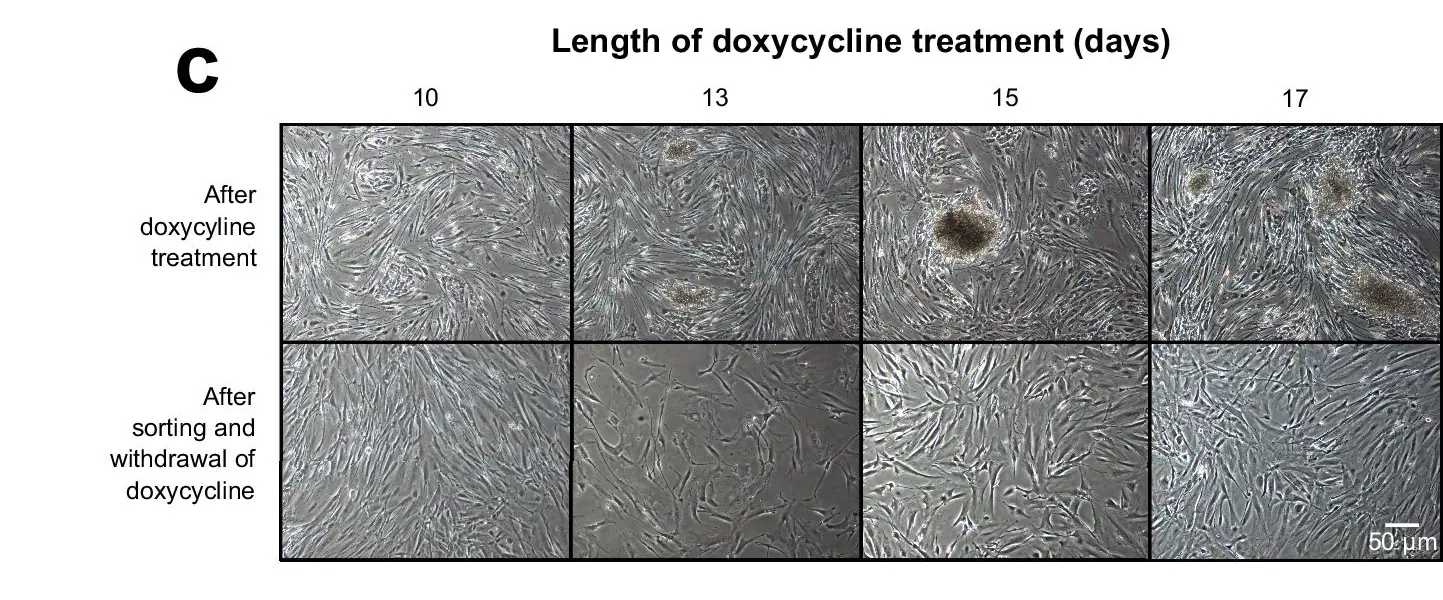
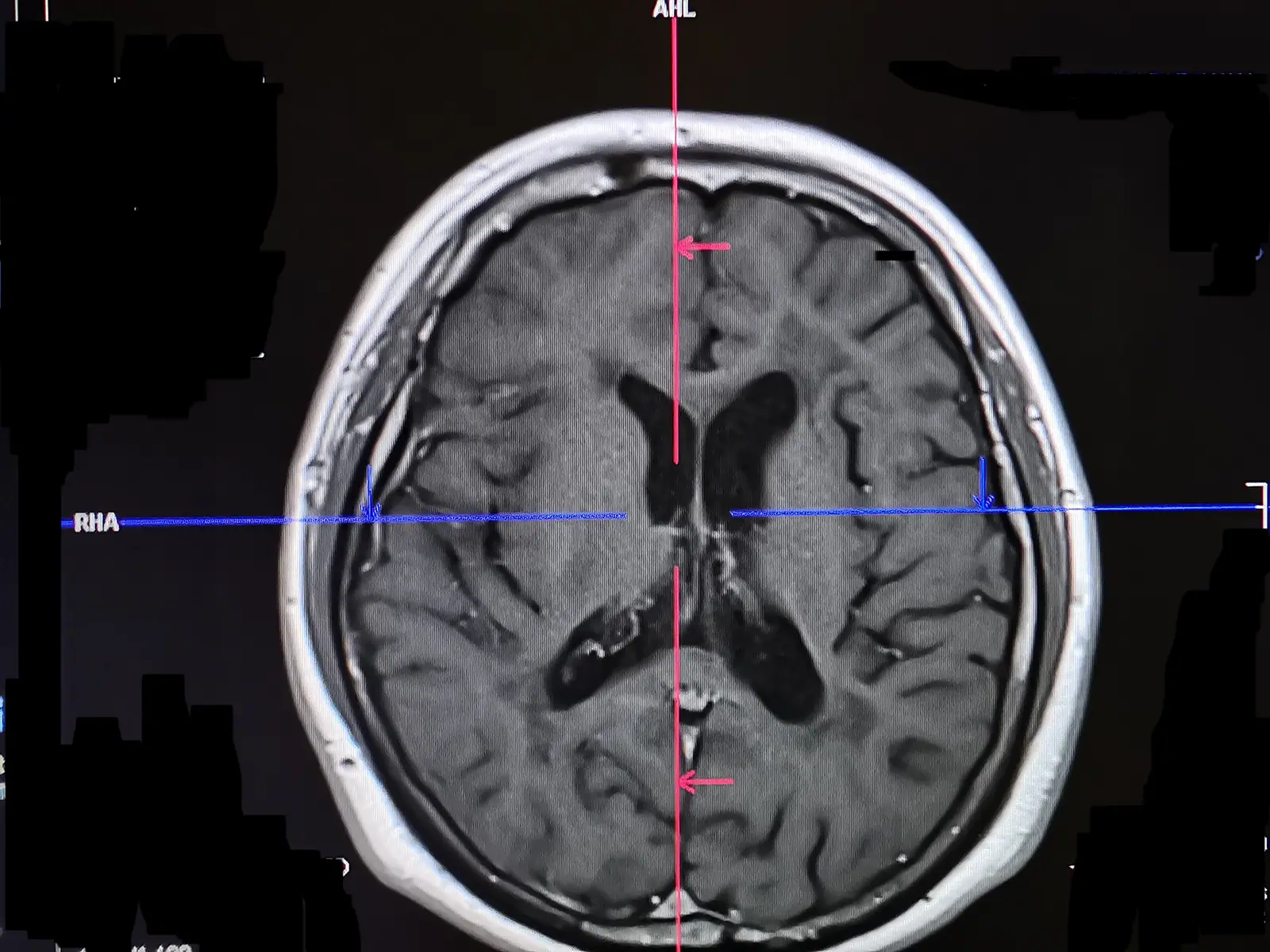
The tissues are three-dimensional models called miBrains, grown in a laboratory from several types of human brain cells. The official AVATAR-Org4 description, published on 23 November, names Joel W. Blanchard of Mount Sinai as principal investigator.
The immediate objective is to validate the automated fluid-handling system. Maintaining the quality and stability of the culture media over extended periods is central to that investigation. Potential applications in neurological disease research or astronaut health are future possibilities identified by NASA, rather than clinical findings in this announcement.
Two experiments support different living systems
The project descriptions distinguish what each experiment is intended to measure. Ohalo III focuses on conditions for growing plants, including water delivery and available volume. AVATAR-Org4 focuses on equipment that maintains the nutrient liquid for brain tissues. Both address sustaining life in space conditions, but they involve different organisms and objectives.
Their relationship to supplies also differs. In agriculture, NASA seeks knowledge that could support the production of safe and nutritious food on longer missions. In tissue research, it seeks conditions and equipment for extended experiments requiring less crew intervention. Neither project description presents those goals as capabilities already demonstrated by NG-25.
NASA identifies possible applications on Earth. For crops, these include vertical farms, controlled indoor growing environments and water conservation. For human tissues, it points to more advanced models for studying neurological diseases. The announcement supplies no cost comparison, measured agricultural benefit or assessment of medical effectiveness.
The earlier AVATAR-Org1 protocol is different
The announcement links AVATAR-Org4 to an earlier investigation, AVATAR-Org1. The description of that project sets out a five-week station protocol. It envisaged comparing tissues sent to space with tissues kept on Earth, to investigate cellular changes associated with a short spaceflight.
That duration belongs to the AVATAR-Org1 description. The documents consulted do not give it as the duration of AVATAR-Org4. Nor do they justify transferring conclusions from one experiment to the other: investigating cellular changes and validating the equipment that maintains cells are different questions.
Orbital performance data are still to come
The sources consulted are an announcement and institutional experiment descriptions. They are not a peer-reviewed scientific paper reporting results from these experiments. The relevant confirmation will be the equipment's measured performance, followed by the findings the research teams make public.
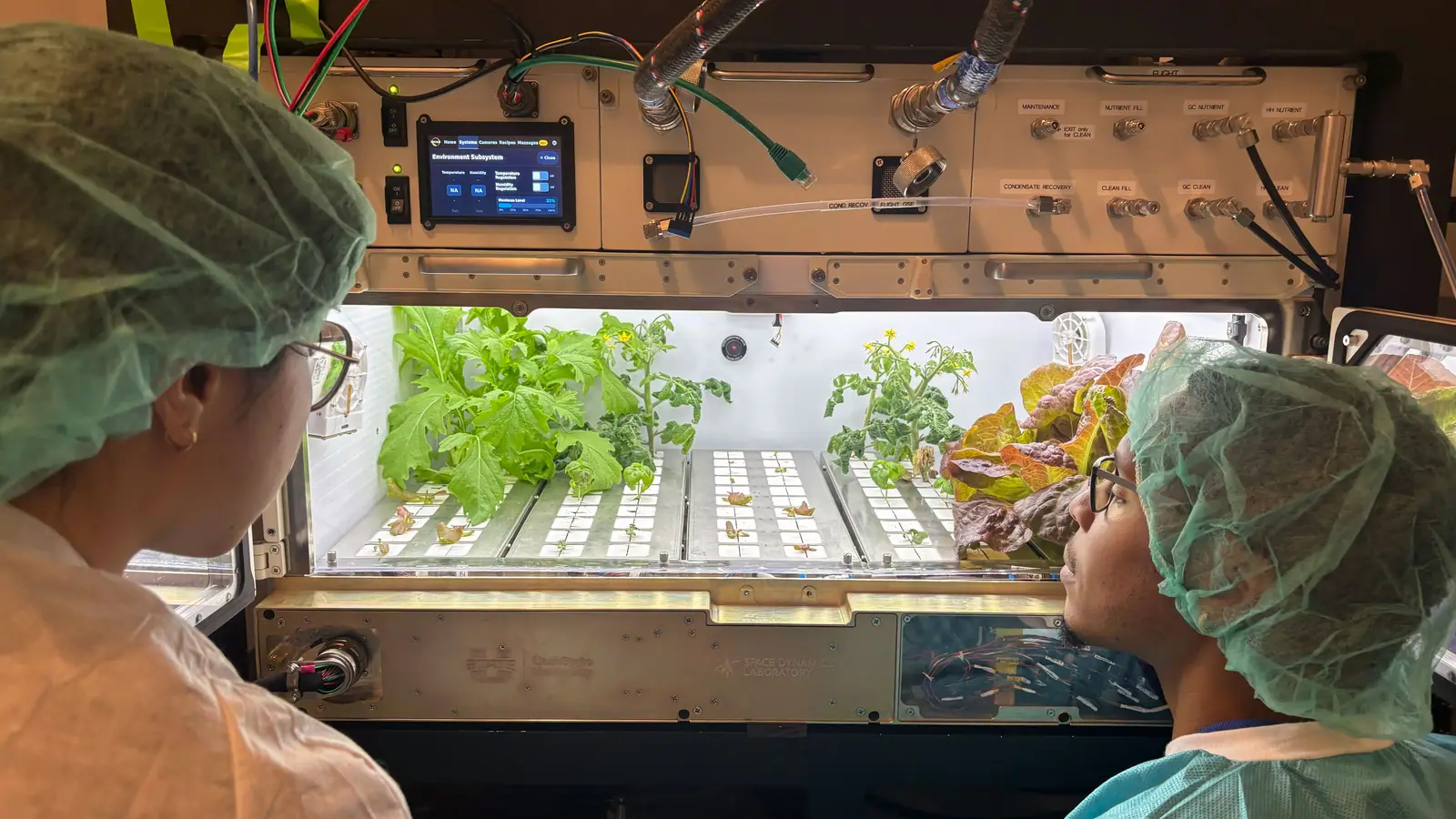
NASA's accompanying photograph shows an inspection of the Ohalo III module before flight in 2026. It documents the equipment and plants during preparation. It does not show a harvest on the station or demonstrate food production in orbit.
Sources
Documents, reporting and references gathered for this story. Access limits are stated in the text or the reference itself.
A primary source is the origin of a document or statement; it may be the interested party itself. This label does not mean independent confirmation. The list also includes context and image references where relevant.
- NASA’s NG-25 Mission to Launch Pioneering Space Crops ResearchNASA, . Primary source. accessed 27 November 2026
- Ohalo III — Validating the First Operational Crop Production System in SpaceNASA, . Primary source. accessed 27 November 2026
- AVATAR-Org4 — Keeping Tiny Brain Models Alive on the Space StationNASA, . Primary source. accessed 27 November 2026
- AVATAR-Org1NASA, . Primary source. accessed 27 November 2026
- jsc2026e415098 — preflight Ohalo III inspectionNASA. Primary source. accessed 27 November 2026
- NASA Images and Media Usage GuidelinesNASA. Primary source. accessed 27 November 2026
Topics

Written by
Wellinton OliveiraCEO of Lyntev
Technology with context, original analysis and sources you can consult.