pCloud confirms attack on Pass and exposure of email addresses
Customers received unfamiliar-device alerts. pCloud confirms sign-in attempts and says stored secrets remain protected.
By Wellinton OliveiraCEO of Lyntev
Published
4 min read
Key points
- pCloud confirms exposure of an undisclosed number of email addresses and attempts to sign in to Pass.
- The company says passwords and notes remain encrypted and file storage was not affected.
- Whether encrypted vaults were copied and how the device alerts were generated remain unclear.
pCloud Pass was targeted by a cyberattack that exposed email addresses and triggered attempts to sign in to accounts, the company has confirmed. pCloud says it contained the incident and that passwords and notes stored in the service remain protected by encryption. It has not clarified whether anyone managed to copy encrypted vaults.
The confirmation appears in a response from the pCloudApp account on Reddit, cited by BleepingComputer on 27 November. The statement limits the attack to the password manager: according to the company, pCloud Cloud Storage was not affected.
A device alert led to confirmation
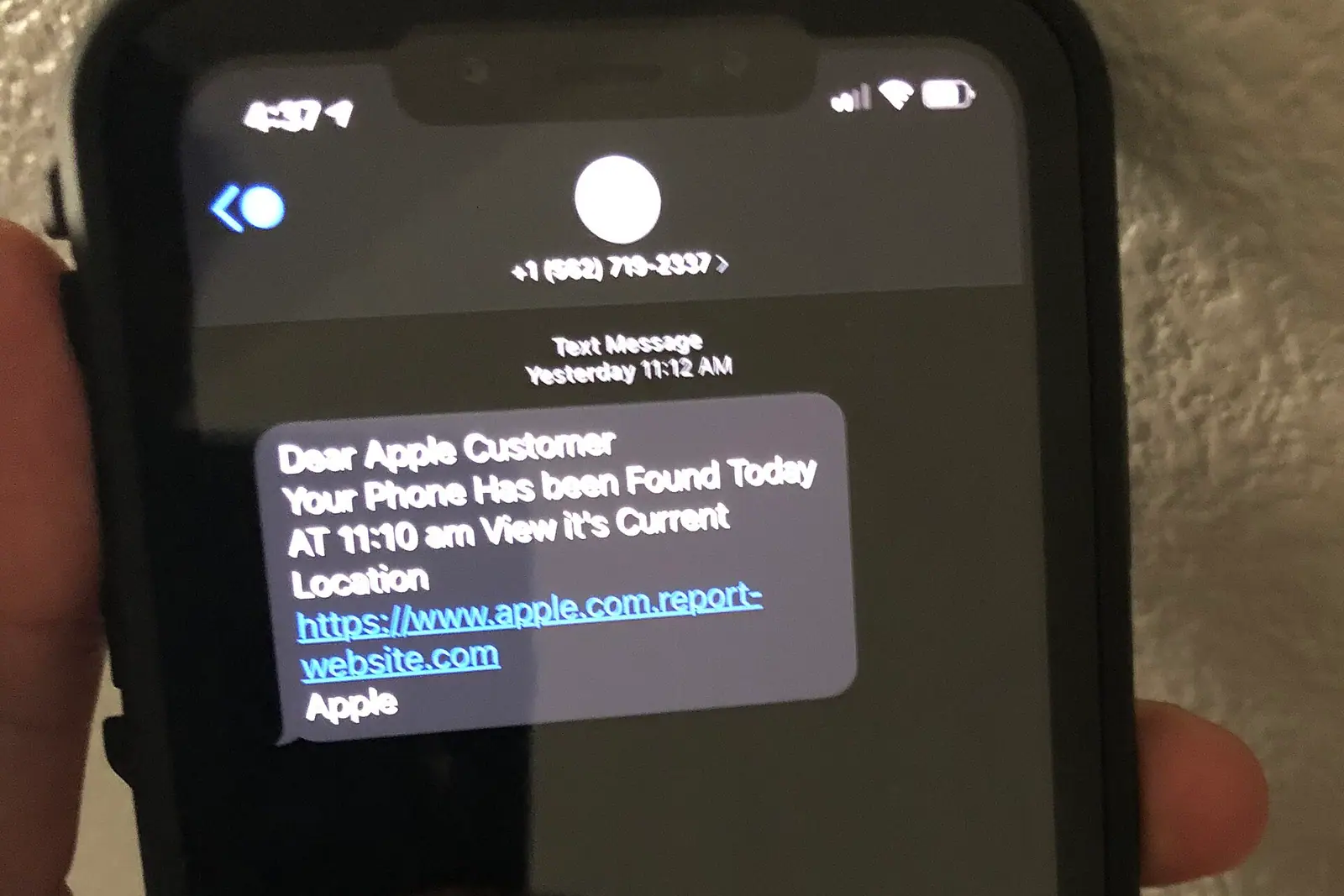
Several customers reported receiving emails about an unfamiliar device connecting to their accounts. BleepingComputer describes warnings about a device identified as “pd”. Some recipients said they had two-factor authentication enabled; others said they had never used pCloud Pass.
Those accounts help explain how the problem became public, but do not establish the attacker's route on their own. A connection alert does not prove that someone read a vault. Nor does it demonstrate that two-factor protection was bypassed. pCloud says its system sends an automatic notification to each email address concerned. It does not explain the outcome of the sign-in attempts or which operations triggered each alert.
The company acknowledges the exposure of a “small number” of email addresses and sign-in attempts. It gives no absolute figure, proportion of affected customers or breakdown by country. It is therefore impossible to measure the impact in Portugal or assume that every user received the same kind of warning.
Email, account access and vault contents are different questions
Reading the statement alongside the reports allows three levels to be separated: identifying a user by their email address, entering an account and reading the secrets stored within it. Confirmation of the first does not automatically resolve the other two questions.
| Element | What has been disclosed |
|---|---|
| Email addresses | The company confirms exposure without giving a total |
| Sign-in attempts | Confirmed by pCloud; their outcome is not explained |
| Device alerts | Reported by customers and described by BleepingComputer |
| Passwords and notes | The company says they remain protected by encryption |
| Copies of encrypted vaults | Not publicly clarified in the sources consulted |
| pCloud Cloud Storage | Unaffected, according to the company |
This distinction matters because password management and file storage are separate services. An alert about one does not extend the confirmation to the other. Equally, the absence of a victim count does not turn a description of limited exposure into a number that can be checked.
The stated encryption model is not an incident report
In its explanation of how pCloud Pass works, published in 2022, the company says data is encrypted on the device before being sent to its servers. The Master Password is presented as necessary to unlock that content. The service also stores notes and payment-card details, according to that documentation.
That is the protection model pCloud invokes in its response to the attack. The assertion describes the supplier's position on stored data; it is not an independent audit of this incident. The sources consulted contain no technical report allowing the intrusion to be reconstructed and the fate of any encrypted copies to be checked.
BleepingComputer highlights that unresolved question. The company statement also does not explain the outcome of the sign-in attempts. Documentation explaining how a product was designed does not establish, on its own, what happened in each system during this attack.
The company warns about messages asking for secrets
pCloud's explicit guidance is to watch for phishing: messages impersonating an organisation to obtain information or prompt the recipient to act. The company says it never asks for a Master Password or recovery words by email, telephone or chat.
Knowing someone's email address makes it possible to direct a message to that person, but does not prove their password has been discovered. At this stage, the statements consulted also contain no general instruction to replace every credential stored in the service. A measure the company has not announced should not be attributed to it.
The start and scale of the intrusion remain unanswered
Public information does not identify the attacker, entry point or duration of the intrusion. pCloud's reference to the speed at which artificial intelligence helps find vulnerabilities does not attribute this attack to AI tools. A technical explanation supporting that conclusion is still missing.
What has been confirmed is an attack against pCloud Pass involving email exposure and sign-in attempts. Protection of the stored content is the company's assertion. Whether encrypted databases were copied, how many accounts were involved and how the alerts were generated require information not yet disclosed in the sources consulted.
Sources
Documents, reporting and references gathered for this story. Access limits are stated in the text or the reference itself.
A primary source is the origin of a document or statement; it may be the interested party itself. This label does not mean independent confirmation. The list also includes context and image references where relevant.
- Resposta da pCloud sobre o ataque ao pCloud PasspCloud (conta pCloudApp no Reddit). Primary source. accessed 28 November 2026
- pCloud confirms password manager hack after suspicious login alertsBleepingComputer — Lawrence Abrams, . accessed 28 November 2026
- First Steps: Setting Up pCloud PasspCloud — Katerina Ignatova, . Primary source. accessed 28 November 2026
Topics

Written by
Wellinton OliveiraCEO of Lyntev
Technology with context, original analysis and sources you can consult.