DeepL launches Aure v2 for live voice translation in six languages
DeepL unveiled its direct speech-to-speech translation model in Tokyo. Portuguese is outside its initial coverage, and the speed figures come from an in-house evaluation.
By Wellinton OliveiraCEO of Lyntev
Published
3 min read

Key points
- Aure v2 is available for meetings, in-person conversations and apps connected to DeepL.
- Portuguese remains an output language on the original Aure. The second version requires one of six languages on either side.
- DeepL reports a 50% reduction in delay compared with the first version in tests that exclude overhead from meeting apps.
DeepL launched Aure v2 on 26 November, a model that translates speech and delivers the result as audio in real time. The company presented the update in Tokyo, 15 days after introducing the first Aure model. The new version is available for online meetings, in-person conversations and apps that use DeepL’s programming interface. Portuguese remains an output language for the first Aure model and is outside the new version’s initial six-language list.
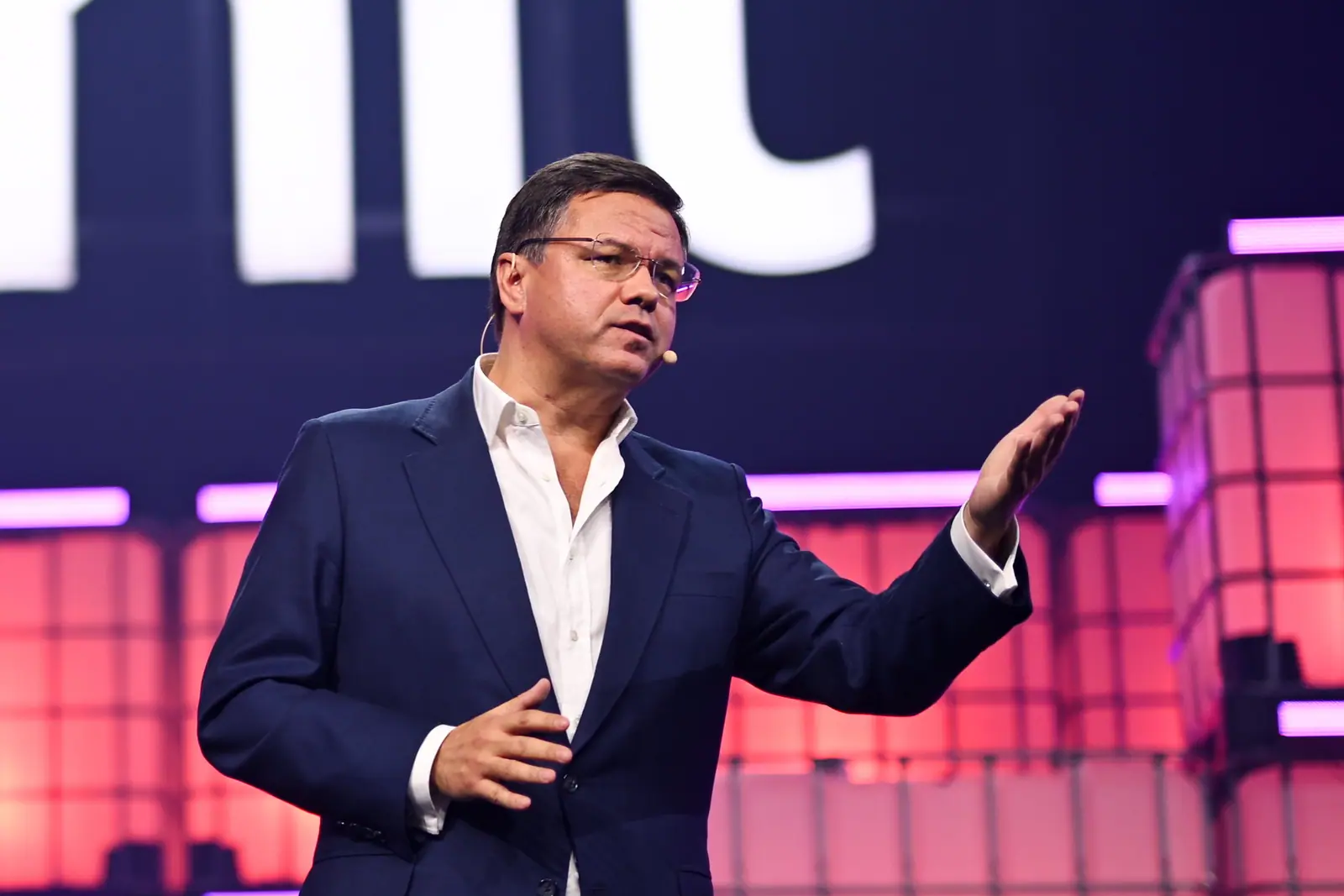
In its launch announcement (opens in a new tab), DeepL attributed the shorter delay to direct translation from speech to speech. Its performance figures come from an in-house evaluation. Japanese technology publication Impress Watch (opens in a new tab) reported the announcement and product demonstrations at Unmute Tokyo 26. The event programme (opens in a new tab) listed Jarek Kutylowski, DeepL’s founder and CEO, as the opening speaker. In the company statement, Kutylowski said reducing the wait can let participants respond in the moment, as the conversation moves on.
What languages can Aure v2 translate?
The product guide (opens in a new tab) lists English, German, Spanish, French, Japanese and Korean. For Aure v2 to handle a translation, both the spoken language and the language heard in translation must be on that list. Speakers also have to select the language they are using. DeepL says the new model does not yet support automatic language detection.
The first Aure model, announced on 11 November (opens in a new tab), has different rules. A person can speak a language recognised by DeepL Voice and hear the translation in one of eight output languages. They include the six supported by the new model along with Portuguese and Italian. DeepL says more languages are coming to Aure v2 and gives no date for those two.
A meeting in Spanish and French therefore falls within the new model’s initial coverage if the spoken language is selected. A conversation where a participant needs the audio in Portuguese can still use the first Aure model for that output. Teams checking whether they can use the update need to consider their language pair as well as access to the service itself.
What changes between original speech and translation
A common approach to voice translation splits the task into speech recognition, translation and speech generation. DeepL says Aure v2 combines speech processing in a single architecture, trained to start producing the translated sentence early while keeping enough context to convey its meaning. A word near the end of a sentence can change the interpretation of the part already translated.
The model also aims to preserve elements of the speaker’s delivery, such as pace, pauses and changes in emphasis. That capability came with the first Aure, which analysed delivery as the person spoke. DeepL presents the shorter delay as the central change in the second version. The public material explains the logic behind its training and gives limited detail for reproducing the architecture.
How DeepL measured its results
DeepL reported that in its study, half of translated words were heard within 3.3 seconds of the source speech. Over one minute of continuous speech, the delay grew by 0.1 seconds. The first figure describes the wait for translated words. The second describes how much the wait increased as the recording continued. DeepL puts the reduction in median delay at 50% compared with the original Aure.
The company used one-minute speech recordings in 10 language pairs, with reference transcripts validated by people. DeepL’s own AI-based evaluator scored translation errors. The audio was processed through public programming interfaces, which means the measurement excluded overhead from meeting apps.
For translation in both directions between English and Japanese, DeepL counted 32% fewer errors than the Google system it tested. That is a relative reduction in the number of errors recorded in its study. The comparison also varied in coverage among providers. ElevenLabs was evaluated in eight of the 10 pairs, and Gradium in six.
Portuguese voice pairs still have no launch date
Those details help put the results in context. The wait in a meeting also depends on the connection, the app and how participants share speaking time. The published study measured one-minute recordings. Performance in longer sessions with people talking over each other or switching languages without warning remains an open question.
For Portuguese speakers, the next practical milestone is the inclusion of Portuguese among both the source and target languages for version two. A date would let teams that currently listen in Portuguese prepare a comparison with the first version. For now, the reported 50% figure describes the setup DeepL tested, using language pairs within Aure v2’s current coverage.
Sources
Documents and reporting consulted for this story.
- DeepL introduces Aure v2, its fastest Voice AI translation model (opens in a new tab)DeepL, . Primary source. Accessed 26 November 2026
- Aure v2 and Aure — language coverage and internal evaluation (opens in a new tab)DeepL, . Primary source. Accessed 26 November 2026
- DeepL unveils Aure, its most lifelike Voice AI translation model yet (opens in a new tab)DeepL, . Primary source. Accessed 26 November 2026
- DeepL、より自然なAI音声翻訳「Aure v2」 翻訳の遅延を50%削減 (opens in a new tab)Impress Watch, . Accessed 26 November 2026
- Unmute Tokyo 26 — agenda (opens in a new tab)DeepL / XLsoft, . Primary source. Accessed 26 November 2026
Topics

Written by
Wellinton OliveiraCEO of Lyntev
Technology with context, original analysis and sources you can consult.