Portugal sets out grid support of up to 260 MVA for AI gigafactory bid
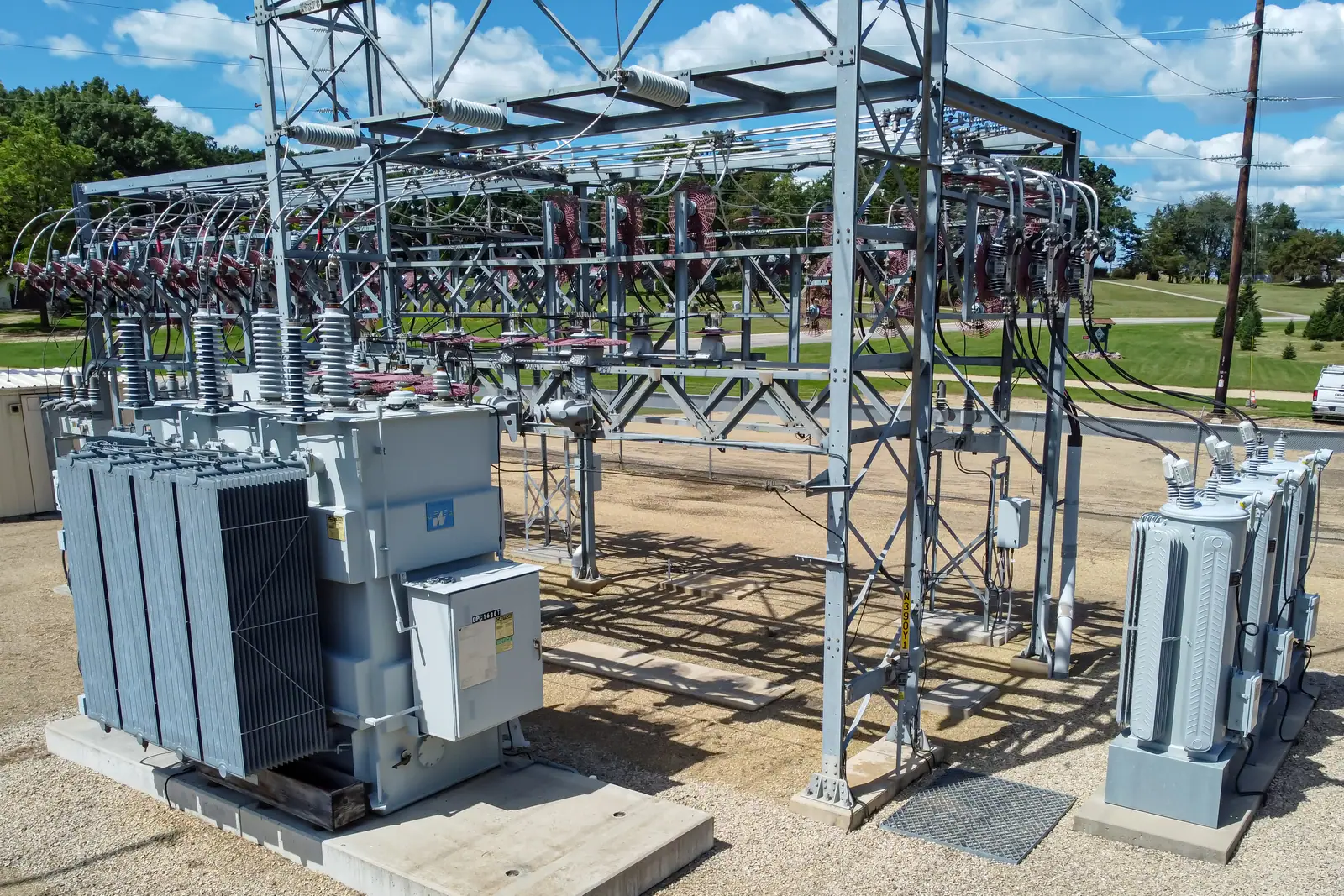
The resolution approved by Portugal’s cabinet provides for securing the conditions for a grid connection of up to 260 MVA. Consortium selection remains subject to the European process; the statement sets no timetable for completing the connection.
By Wellinton OliveiraCEO of Lyntev
Published
Updated
3 min read
Key points
- The resolution gives the bid national strategic status and provides for a grid connection of up to 260 MVA.
- A July resolution authorised a national contribution of up to €200 million for computing time in Portugal, matched by a European contribution in the initial phase.
- The EuroHPC Lot 2 deadline has been extended to 30 December.
- The statement gives no connection point, construction timetable or European decision.
Portugal’s government recognised the national strategic importance of the country’s bid for an artificial intelligence gigafactory on Thursday, 26 November. The Council of Ministers statement says the resolution the council approved provides for the conditions needed to connect the project to the public electricity grid, with capacity of up to 260 megavolt-amperes (MVA). Consortium selection remains subject to the European process. The statement sets no timetable for completing the connection.
The move prepares Portugal’s bid in a competition run by the European High Performance Computing Joint Undertaking, known as EuroHPC. The European procurement process will determine which consortia are selected. The Portuguese statement gives no site, connection date or approval for construction.
What 260 MVA means
The figure refers to the capacity of the electricity connection, an important requirement for a computing centre on this scale. MVA measures apparent power. The figure does not directly give active power in megawatts or annual consumption in megawatt-hours. How much electricity the site would use depends on factors including the actual load on its servers and cooling systems.
Portuguese business outlet ECO places the grid commitment in the context of the competition. The government statement does not name the substation, the point of connection, when the capacity would become available or how much any grid work would cost.
The government says the infrastructure would allow Portugal to retain control over data processing in the country. The terms for accessing its computing capacity, handling public-sector data and configuring the system would depend on the successful proposal and the resulting contracts.
What the July resolution authorises
Council of Ministers Resolution No. 142/2026, published in July, authorised Portugal’s Agency for the Technological Reform of the State, known as ARTE, to sign EuroHPC’s joint procurement agreement. It set a national contribution of up to €200 million for computing time at a gigafactory located in Portugal, matched by a European contribution in the initial phase.
The schedule in that resolution sets out €5 million for 2027 and €32.5 million a year from 2028 to 2033. Those six later allocations add up to €195 million. The first year brings the total to the €200 million ceiling. The schedule covers public purchases of access to computing capacity. The July resolution places the expansion of the facilities in a second phase, tied to the EU’s next financial framework.
At the Spanish-Portuguese summit in La Rábida on 6 March, ministers Gonçalo Matias and Óscar López signed a memorandum to explore a joint bid. That memorandum provides the background to talks between the two countries. The November statement refers to Portugal’s application and does not set out the final membership or the distribution of computing capacity across sites.
The European timetable and selection
EuroHPC opened the competition on 30 July. In the notice updated on 25 November, it extended the deadline for Lot 2 to 30 December at 17:00 in Luxembourg, 16:00 in mainland Portugal. Questions on that lot are due by 9 December. Lot 1 has a separate deadline on 4 February 2027. ECO identifies Lot 2 as the route Portugal intends to take.
The launch notice describes facilities that will train AI models, adapt them for specific tasks and run them. Bids can cover multiple sites, including sites in different countries. Under the proposed contracts, consortia will set up and operate the infrastructure and public buyers will acquire access to its computing capacity.
In the joint procurement, public bodies buy access to computing capacity rather than taking ownership of the servers themselves. The tender selects the organisations that will run the facilities. The July resolution ties Portugal’s spending to the location of the funded infrastructure, even if a winning consortium also operates in other countries.
Submission of the bid, the membership and locations of the consortium and EuroHPC’s selection are the next decisions to watch. The full text of the November resolution, the connection point and the timetable will help establish what the grid commitment means in practice. Portugal has addressed a preparatory condition for the bid, while the competition remains open.
Corrections
. Clarified that consortium selection remains subject to the European process and that the cabinet statement sets no timetable for completing the grid connection. Removed wording presenting selection as an exclusive condition explicitly stated in that document.
Sources
Documents and reporting consulted for this story.
- Comunicado do Conselho de Ministros de dia 26 de novembro de 2026Governo de Portugal, . Primary source. accessed 26 November 2026
- Resolução do Conselho de Ministros n.º 142/2026Diário da República, . Primary source. accessed 26 November 2026
- Call for tenders for the selection of Artificial Intelligence Gigafactory Consortia and the establishment of AI GigafactoriesEuroHPC Joint Undertaking. Primary source. accessed 26 November 2026
- The EuroHPC Joint Undertaking launches the AI Gigafactories CallEuroHPC Joint Undertaking, . Primary source. accessed 26 November 2026
- España y Portugal estudian una candidatura conjunta para albergar una de las gigafactorías de IA de la Unión EuropeaMinisterio para la Transformación Digital y de la Función Pública, . Primary source. accessed 26 November 2026
- Futura gigafábrica de IA recebe autorização para ligação à rede elétricaECO, . accessed 26 November 2026
Topics

Written by
Wellinton OliveiraCEO of Lyntev
Technology with context, original analysis and sources you can consult.