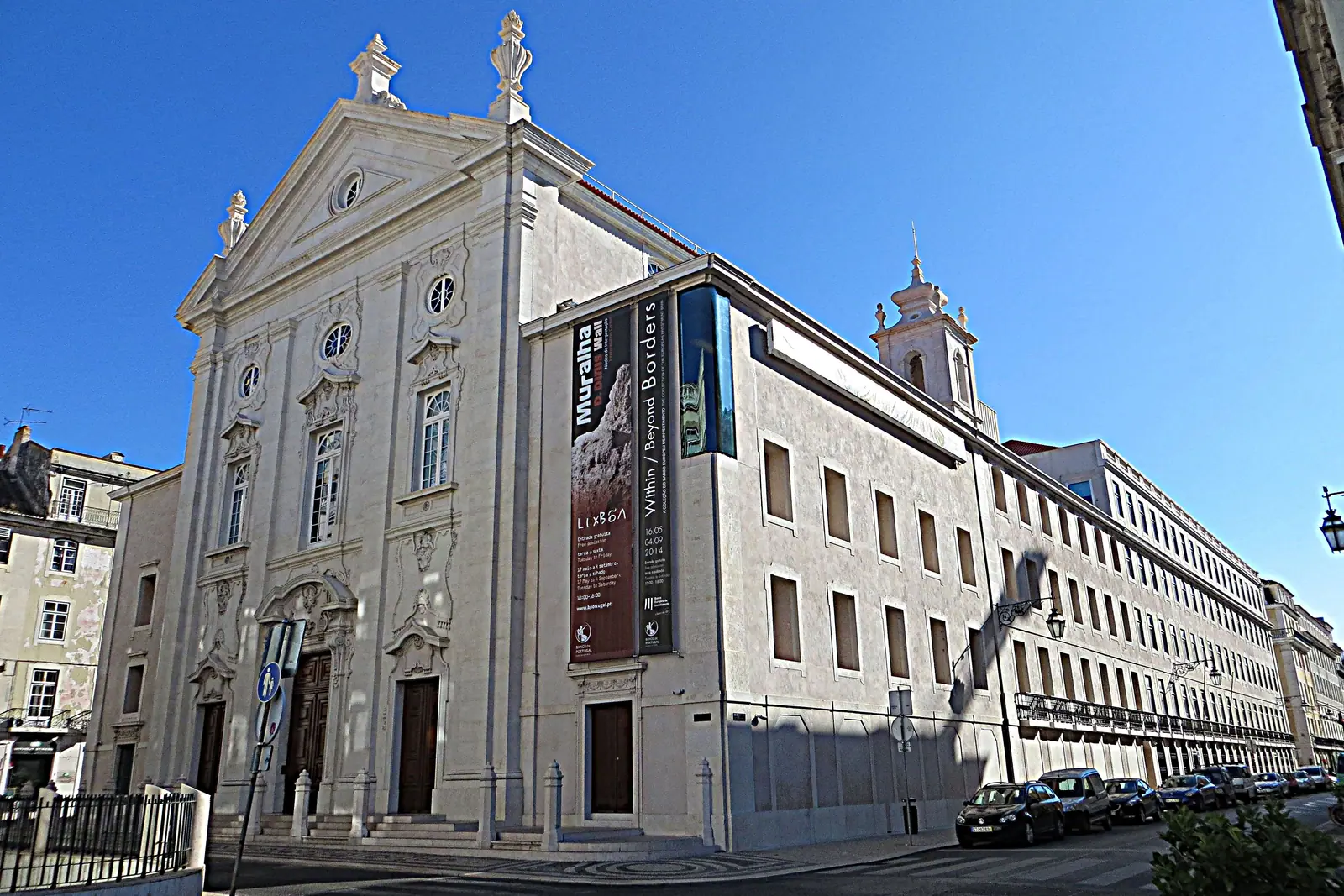
Google halts Belgian data centre works after Wallonia says it lacks a permit
At stake is water from the River Sambre to cool AI servers: the minister refused the change to the project, yet building went on. Google says it holds other valid permits.
By Wellinton OliveiraCEO of Lyntev
Published
6 min read
Key points
- On 26 November inspectors from the Walloon Region found a near-finished 30,000-square-metre building at the Ecopôle near Charleroi and ordered about 300 workers to stop.
- Google confirmed to Politico that it had halted works “pending additional guidance” and says it holds other valid permits for the site.
- The 2024 permit covered three air-cooled centres; the requested change, merging two buildings and using water from the Sambre, was refused by minister François Desquesnes in August.
- The change would have drawn 600 cubic metres of water an hour and returned less than a quarter to the river.
- Google has appealed to Belgium’s Council of State, which has a hearing set for 7 January.
Google has stopped building a data centre at the Ecopôle business park near Charleroi, in Wallonia, the French-speaking region of southern Belgium. The move follows an inspection on Thursday 26 November, when regional officials concluded that a 30,000-square-metre building, about three hectares, was almost finished without the matching planning permit.
“We have halted works consistent with the direction from local authorities and pending additional guidance,” Google spokesperson Michiel Sallaets told Politico Europe. The company says it holds other valid permits for the site. The dispute now goes to Belgium’s Council of State, which has set a public hearing for 7 January.
What inspectors found at Aiseau-Presles
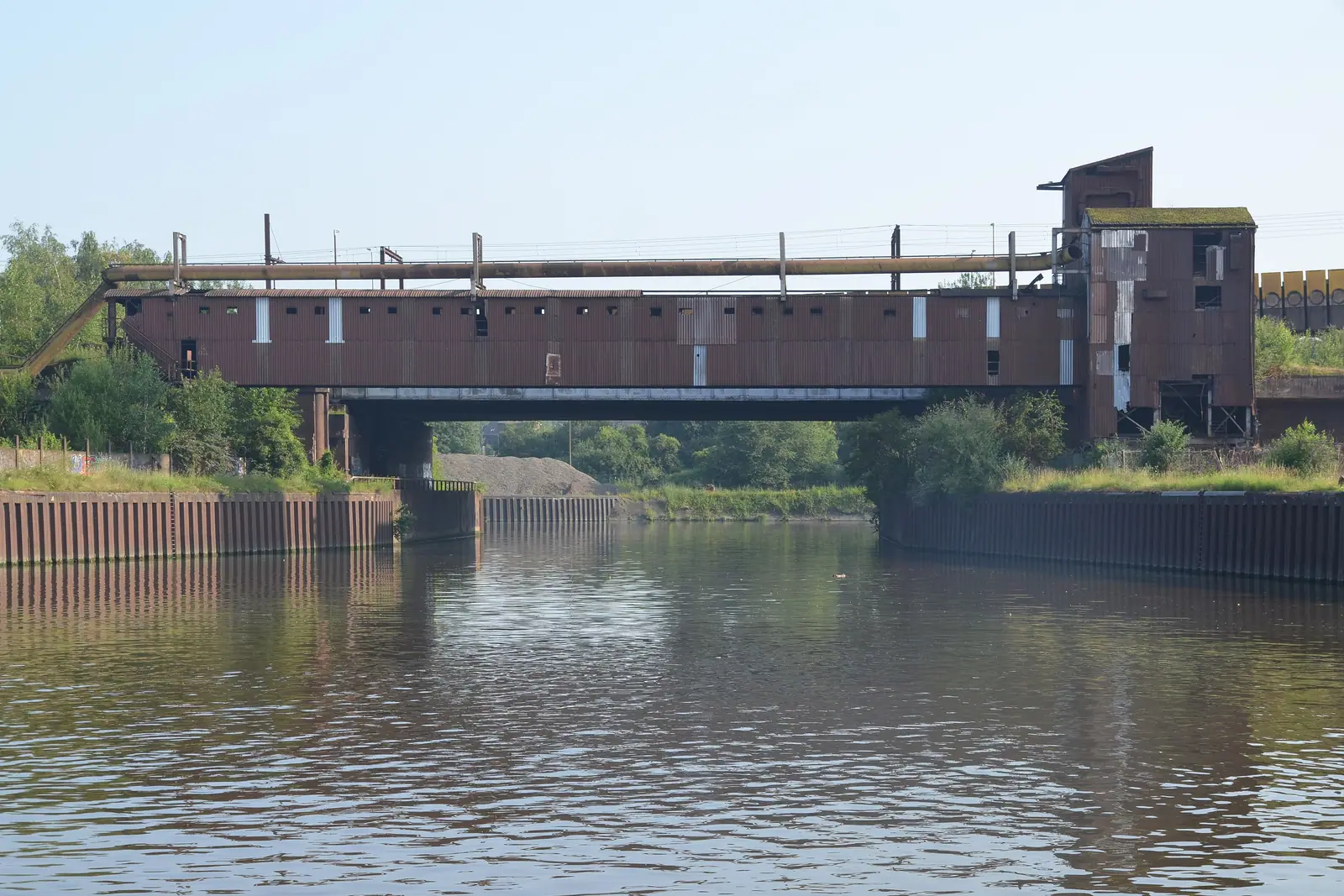
The site covers 53 hectares, the equivalent of 74 football pitches, and straddles three municipalities: Farciennes, Aiseau-Presles and Sambreville. According to the French-language public broadcaster RTBF, Google is building there through its European subsidiary Crystal Computing, and some 1,200 workers have been on the project for months.
Raphaël Stokis is the region’s delegated official, the civil servant in charge of planning permits and their enforcement in the area. He told RTBF that inspectors found a 30,000-square-metre building with its structural shell closed, meaning walls and roof were up, “while the permit had been refused by the minister” (our translation from French, as with the other French quotes).
About 300 workers were on site. Inspectors gave them a verbal order to stop, to be confirmed to the company in writing. The next day, according to The Guardian, citing the AFP news agency, regional government spokesperson Nicolas Yernaux said a report alleging “a major offence”, the illegal construction of the building, was being sent to prosecutors. Lyntev News could not open The Guardian; the information comes via the trade site PPC Land.
Two permits for the same plot
The conflict stems from two versions of the project. The original permit covered three air-cooled data centres. It was granted in February 2024, with environmental conditions, according to local broadcaster Télésambre. Energy had to be 90% carbon-free by 2025 and 95% by 2030, and the municipality asked for waste heat to be reused to warm schools and public buildings.
Google then asked for a change. It wanted to merge two of the three buildings into one much larger hall and to swap air cooling for water drawn from the River Sambre. The regional administration approved the change in April 2026, but a resident appealed.
The appeal sent the file to the regional planning minister, François Desquesnes of the centrist party Les Engagés. In August, during a drought, he refused the change as a precaution. “I cannot accept that they change the cooling method,” he told RTBF at the time.
The 2024 permit still stands. The minister’s office told RTBF on 25 November that it “remains valid”. In practice, three small air-cooled centres are within the rules; the two large ones in the amended plan are not. Inspectors say the building they found belongs to the refused version.
600 cubic metres an hour: the water from the Sambre
The refused change would have drawn 600 cubic metres of water an hour from the river, according to the minister, as reported by the Belga agency in DH. Less than a quarter would have returned to the Sambre, according to the same source; RTBF speaks of a quarter, returned at 30 degrees Celsius. The rest would have evaporated while cooling the servers.
The sources do not say whether the draw would be continuous or only at peak load. If it were continuous, our calculation gives 14,400 cubic metres a day and about 5.3 million a year. That is a theoretical maximum, not a declared consumption.
For comparison, Greenpeace says the centre Google already runs at Saint-Ghislain, near Mons, draws one billion litres a year, or one million cubic metres. The figure comes from the environmental group, and Google did not address it in the sources read.
What each side says
Google told RTBF it was committed to an “open and collaborative dialogue” with the regional government. It told Politico it had operated in Belgium for more than 15 years and intended to comply with local law. According to Politico, the company says work since August was mainly meant to preserve and secure the site and to build what the original permit allows.
It is not proven that the building breaches the permit in force: that is the finding of the regional inspection. The company has not addressed it directly and says only that it built what the original permit allows. In October, Google confirmed its appeal to the Council of State and said it wanted to use water and electricity “responsibly and efficiently”.
Greenpeace Belgium triggered the inspection. On 25 November, using satellite images, it urged the minister’s office to suspend the works. Carrying on regardless gives an idea of “the respect the multinational has for our regulations”, spokesperson Nadia Cornejo told RTBF.
Saint-Ghislain and Google’s billions in Belgium
Belgium has been one of Google’s European bases since 2007, when the company broke ground at Saint-Ghislain. In October 2025, in an official announcement, it pledged a further €5 billion in 2026 and 2027 to expand that campus and meet demand for cloud and artificial intelligence (AI) services.
With that pledge, its total investment in the country exceeds €11 billion, according to the company. The site employs about 600 people, staff and contractors, and Google promises 300 more jobs. Farciennes was announced in 2024, with €1 billion, according to RTBF. At the time, the company put its total investment in Belgium since 2007 at €5 billion.
In Google’s release, the regional government’s vice-president, Pierre-Yves Jeholet, welcomed the 2025 investment as proof of Wallonia’s role in European data storage. Farciennes shows the other side: the region that attracts data centres also decides how much water they may use.
Europe pushes back on AI data centres
Belgium is not alone. In October, Finland’s environmental authority ordered Google to suspend preparatory work at Muhos and Kajaani until environmental impact assessments were done, according to Al Jazeera. Hundreds of hectares of cleared forest were at stake, in a €13 billion plan.
Data centres that train and run AI models need a great deal of electricity and, when water-cooled, a great deal of water. The International Energy Agency estimates that data centres worldwide used 560 billion litres of water in 2023, according to Business AM. In Portugal, the debate has reached Coruche, where the green group Quercus opposed an AI data centre over its energy and water use.
7 January: the Council of State and the prosecutors’ file
The hearing at the Council of State, Belgium’s highest administrative court, is set for 7 January. It will examine Google’s appeal against the minister’s refusal. If the company wins, the larger, Sambre-cooled version of the project could become lawful again.
Until then, questions remain. It is not known whether the written order has reached Google, whether the halt covers the whole Ecopôle or only the three-hectare building, or what prosecutors will do with the report the regional government said it was sending. Nor has Google explained how a building shaped like the refused plan fits the 2024 permit.
Sources
Documents, reporting and references gathered for this story. Access limits are stated in the text or the reference itself.
A primary source is the origin of a document or statement; it may be the interested party itself. This label does not mean independent confirmation. The list also includes context and image references where relevant.
- Google halts Belgian data center construction amid permit disputePolitico Europe, . accessed 29 November 2026
- Google contraint d'interrompre les travaux de son second data center sur le chantier de Farciennes/Aiseau-PreslesRTBF, . accessed 29 November 2026
- Aiseau-Presles : Google poursuit les travaux d’un data center sans permis adéquat, dénonce GreenpeaceRTBF, . accessed 29 November 2026
- Google à Farciennes: le veto du ministre Desquesnes à un pompage d’eauRTBF, . accessed 29 November 2026
- Google introduit un recours au Conseil d'État pour son site de FarciennesDH (Belga), . accessed 29 November 2026
- Google à Farciennes le permis a été octroyéTélésambre, . accessed 29 November 2026
- Google va investir 1 milliard d’euros dans la province de HainautRTBF, . accessed 29 November 2026
- Google Announces New €5 Billion AI Infrastructure Investment in Belgium through 2027Google Cloud Press Corner, . Primary source. accessed 29 November 2026
- Belgian region halts Google data centre over unpermitted 3-hectare buildingPPC Land, . accessed 29 November 2026
- Google ne s'approvisionnera pas en eau de la Sambre pour son nouveau centre de donnéesBusiness AM, . accessed 29 November 2026
- Finland orders halt to work on Google data centre sitesAl Jazeera (AFP), . accessed 29 November 2026
Topics

Written by
Wellinton OliveiraCEO of Lyntev
Technology with context, original analysis and sources you can consult.